
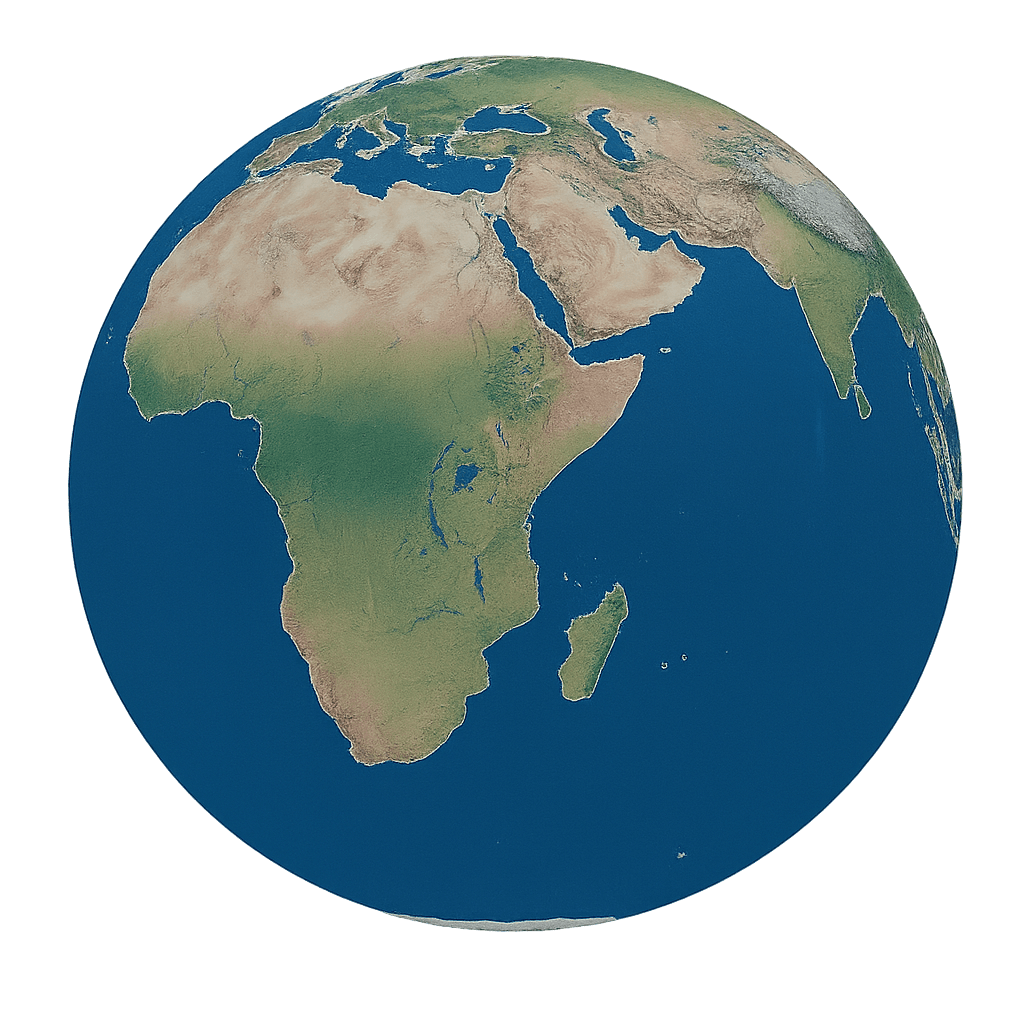
Middle East Energy Shock: BRICS leaders in New Delhi urged “maximum restraint” and de-escalation in West Asia, while stressing the need to keep global trade and energy flows stable amid rising tensions and nuclear threats. Red Sea Oil Risk: Houthis said they carried out 129 Saudi airstrikes in 48 hours and warned they could target oil infrastructure, as advances threaten the Bab el-Mandeb chokepoint that feeds Red Sea shipping. Oil Prices & Shipping Pressure: With oil back above $100 and tanker rates at record highs, the Middle East conflict is again tightening supply routes. Power Sector Watch: South Africa’s Eskom pushed back on inflated Kusile and Medupi cost claims, reiterating approved budgets and recorded spend. Nigeria Energy/Finance: Nigeria’s insurance recapitalisation attracted N1.079trn, with escrow funds due for release before Sept 30, 2026—supporting larger risk underwriting for energy and infrastructure. BRICS Energy/Trade Agenda: The summit declaration also calls for trade and finance reforms, including more stable supply chains and local-currency settlements. Climate & Water: East Africa’s mountain glaciers are set to vanish within years, underscoring long-run pressure on water and energy systems.
AGP Executive Report
Your go-to archive of top headlines, summarized for quick and easy reading.
Note: AI summary from news headlines; neutral sources weighted more to help reduce bias in the result. Feedback is welcome. Please let us know if you have any comments or suggestions about the AGP Executive Report.
BRICS Summit Energy Diplomacy: India’s PM Modi kicked off the 18th BRICS Summit in New Delhi as leaders grapple with wars in Ukraine and West Asia and their spillover into oil and shipping. Modi met Abu Dhabi’s Crown Prince to deepen India-UAE trade and energy security ties, while Modi also met Iran’s Pezeshkian, stressing freedom of navigation and maritime safety amid Strait of Hormuz and Red Sea disruptions. Red Sea Oil-Route Risk: Reports say Iran and allies are tightening pressure on key chokepoints, with Houthis seizing Perim Island near Bab el-Mandeb—raising the odds of higher fuel costs and longer tanker routes for Europe-Asia trade. Africa Energy Finance: Africa GreenCo secured an extra $11.5m to expand renewable power trading across SAPP markets, boosting regional clean power offtake. Project Delays: Uganda pushed its first-oil timeline again, now targeting June 2027, extending uncertainty for East Africa gas and oil momentum. UAE-Germany Business Push: A Munich forum saw UAE and Germany sign deals worth about €9.66bn, including renewables and oil & gas cooperation.
Grid Reliability Push (Nigeria): NISO says it’s boosting National Grid stability and electricity market discipline, citing a Nigeria-plus-14-country synchronisation test and new ultra-modern control centres in Osogbo and Gwagwalada, alongside SCADA, energy management and IoT monitoring. BRICS Energy & Trade Tensions: As BRICS leaders converge in New Delhi, Modi and Putin back a rules-and-payments agenda, while Iran’s Pezeshkian urges BRICS to stop any country from obstructing legitimate trade; negotiators are still drafting the “Delhi Declaration” amid Iran–UAE friction. Red Sea Shipping Risk (Yemen): Houthis seize Mokha and Mayun/Perim near Bab el-Mandeb, raising the stakes for oil and tanker routes as Hormuz remains constrained. Oil Market Signal (Nigeria): OPEC data shows Nigeria met its 1.5m bpd quota for a fourth straight month in August, keeping it Africa’s top producer. Industrial Power & Gas (Libya): Benghazi’s Tosyali-Sulb low-carbon iron project targets $2.5bn investment, with gas supply for phase one secured and a dedicated power station planned. Ammonia Supply Chain (UAE–Germany–Africa): Fertiglobe explores lower-carbon ammonia links via a Hamburg import terminal with Covestro and MB Energy. Monetary Policy (West Africa): BCEAO holds rates at 3% as it flags possible energy-cost pressure from Middle East disruptions. Dangote IPO Momentum (Nigeria): The Dangote Petroleum Refinery share sale is drawing global attention as Nigeria prepares for Africa’s biggest IPO.
BRICS Summit Energy & Trade: Putin has arrived in New Delhi for the 18th BRICS summit, with Xi Jinping also set to attend, as leaders look to keep focus on wars, oil and global trade amid heightened geopolitical strain. Angola Oil & Gas Push: Angola’s AOG 2026 in Luanda wrapped with fresh exploration announcements and big downstream ambitions, as officials said the country has poured about $99bn into oil over nine years and is pushing reforms to build domestic value. Zimbabwe Drilling Update: Invictus Energy awarded SLB a key drilling and well services contract for the Musuma-1 exploration well at Cabora Bassa, with rig and wellpad preparations advancing toward a November 2026 start. Nigeria Retail Modernisation: NNPC plans 50–70 smart self-service stations nationwide in the next six months, adding EV charging plus petrol, LPG and CNG with digital payments. Renewables Finance: GreenCo secured an extra $11.5m from existing shareholders to expand its Southern Africa renewable power trading role. El Niño Warning: NOAA says a very strong El Niño is likely in 2026/27, raising the odds of severe heat, drought and flooding risks across Africa.

Red Sea Energy Shock: Iran-aligned Houthis seized Yemen’s port city of Mocha and advanced toward the Bab el-Mandeb Strait, raising fears of disruption to one of the world’s key oil shipping routes; Brent jumped above $100 as Saudi vessels face the biggest risk. Angola Upstream Push: Angola Oil & Gas 2026 opened in Luanda with Heads of Terms signed by ANPG for offshore Blocks 8 and 22 involving QatarEnergy, Shell and Sonangol—setting terms for exploration and development. Green Hydrogen Momentum: South Africa’s Electricity and Energy minister will host the Africa Green Hydrogen Summit in Cape Town (15–16 Sept), while a deputy minister showcased South Africa’s shift from policy to large-scale hydrogen production during talks in Japan. Nigeria Fuel Market Pressure: IPMAN urged Dangote Refinery to expand direct PMS allocations to all registered independent marketers nationwide ahead of its IPO. Capital Markets Spotlight: Stanbic IBTC said its role as joint lead issuing house and stockbroker for the Dangote Refinery IPO underlines its integrated finance leadership. BRICS Energy & Food Focus: India is using the New Delhi summit to push Global South priorities including food and energy resilience amid trade tensions, with Putin and Xi among key leaders expected.
BRICS Diplomacy: Philippines President Ferdinand Marcos Jr. will attend the 18th BRICS Summit in New Delhi on Sept. 12-13, joining the bloc’s expanding outreach that now includes 11 full members and multiple partners—an effort to build alternatives to Western-led institutions. Kenya Power Push (LNG): Dangote Industries is in talks with Kenya to scale up a planned LNG power plant at the Lamu refinery project to 1,000MW, using LNG from Tanzania via pipeline or tankers, aiming to ease electricity shortages and support industrial baseload supply. Uganda Oil Governance: Uganda’s Petroleum Authority appoints veteran regulator Fred Kabanda as Executive Director, effective Dec. 1, as the country moves toward commercial oil production. Digital Sovereignty to Investment: Nigeria’s NITDA says its National Cloud Infrastructure Strategy is meant to turn data-sovereignty rules into predictable, investable demand for cloud, data centres and connectivity. Climate Rule-of-Law: UNEP says countries are increasingly turning “just transition” pledges into laws and institutions, urging environmental rule-of-law approaches across energy and mining. Oil Price Pressure: Brent crude pushed past $100 amid Middle East tensions, raising renewed concern over fuel and power costs across import-dependent economies.
Oil & Gas Markets: Brent crude pushed back above $100 as Middle East attacks disrupted key routes, raising fears of knock-on fuel and transport costs across Africa. Nigeria Gas Policy: Nigeria’s upstream regulator (NUPRC) warned gas flare site awardees they could lose permits if they don’t make “significant progress” in using flare sites. Dangote Refinery IPO: Dangote Petroleum cut secured debt by $570m to $5.67bn, swung to a $1.82bn after-tax profit in H1 2026, and is preparing a major IPO opening Sept 14. South Africa Power Affordability: Energy minister Ramokgopa admitted no targeted study has measured tariff impacts on low-income households, while a revised electricity pricing policy is under review. South Africa Refining Push: Central Energy Fund plans to revive Sapref near Durban, aiming to triple local crude refining capacity and cut import dependence. Renewables & Synthetic Fuels: Synhelion signed a $1bn MoU with Morocco to build a synthetic fuel plant in Tan-Tan, targeting 100,000 tons/year. Investment & Green Industry: Namibia’s NIPDB showcased solar and waste-management projects to investors at the Africa Green Industries Summit, pitching green financing for industrialisation. Regional Energy Security: Argent LNG and Albania signed an MoU to evaluate an onshore LNG storage and regasification terminal for Western Balkans supply flexibility.
Dangote Refinery IPO Push: Nigeria’s SEC has approved Dangote Petroleum Refinery’s move toward a public listing, with the offer framed as “for the people” and simplified for Nigerians holding BVN. Energy Shock Watch: South Africa braces for another fuel pain point as petrol and diesel under-recoveries deepen and October could bring fresh price records. Gas Output Fix in SA: D3 Energy says downhole logging found water rising above gas zones at its Nooitgedacht wells, and remedial cementing is set to start next week to restore gas flow. Regional Energy Security: Houthi attacks hit Saudi cities and oil infrastructure, while U.S. strikes target Iranian tankers—raising Red Sea and Gulf supply-risk concerns. AfDB Crisis Shield: The AfDB approved a $5.1bn response plan to help African countries absorb energy and fertilizer shocks, with targeted support and resilience funding. Ghana-UK Minerals Tie-Up: Britain and Ghana agreed to deepen mining cooperation, aiming to attract investment and improve responsible extraction of critical minerals tied to the energy transition.
Oil & Gas Supply: Uganda says it is on track for first commercial oil by end-2026 from CNOOC’s Kingfisher field, with crude exports set to follow once the East African Crude Oil Pipeline (EACOP) is ready for first cargo from Tanga port. Energy Finance & Resilience: The AfDB unveiled a $5.1bn response framework to cushion Africa’s energy and fertiliser crisis, combining $4.1bn in lending with up to $960m from the African Development Fund. Power & Infrastructure Pressure: South Africa’s electricity pricing rules are under scrutiny as households and data-centre growth face rising costs and water/power constraints. Gas & Maritime Jobs: Nigeria’s upstream regulator (NUPRC) is pushing tighter offshore-maritime integration to unlock investment and jobs. Policy & Markets: Nigeria’s government is courting Austrian investors with claims of 20%+ dollar returns, while Nigeria’s debate over petrol pricing continues to intensify ahead of 2027. Climate & Weather Risk: Namibia warns of a harsher 2026/27 rainfall season driven by El Niño, raising stakes for water, agriculture and disaster planning.
Gas & LNG Outlook: Fitch Solutions says Qatar’s North Field expansion is intact, with North Field East adding 32 mtpa and North Field South lifting capacity to 126 mtpa, while North Field West carbon-capture-fitted trains are progressing toward 2030; gas output is forecast to rebound sharply in 2027. Power & Macro: South Africa’s rand slid ahead of GDP data expected to show a mild contraction, with investors watching weakness across mining, manufacturing, and electricity, gas and water. Oil & Refining (Nigeria): Aliko Dangote opened the Dangote Petroleum Refinery to public investors via a record-sized IPO, priced at ₦525 per share with a low retail minimum subscription, betting on Nigeria’s large fuel market. Energy Transition & Finance: First Abu Dhabi Bank became the first MENA bank to sign UN Sustainable Blue Economy Finance Principles, setting a $27.2bn blue finance target for water and blue-economy projects. Renewables (MENA): BloombergNEF reports MENA added a record 16 GW of solar and wind in 2025, with renewables additions expected to rise further in 2026. Climate Risk: NOAA warns a strengthening El Niño could bring severe heat, drought, flooding and rainfall disruption across Africa, with knock-on effects for food, water and power generation. Mining Governance (DRC): Congo plans tighter state control over geological data via a national databank, aiming to reduce exploration risk while extending Kinshasa’s influence over future mineral discoveries. Industrial Policy (Malawi): Malawi reaffirmed its push for green industrialisation, prioritising manufacturing, SMEs, mining linkages and climate-resilient clean energy. Grid Reliability Tech: A new market outlook highlights rapid growth for transformer monitoring systems, driven by reliability-linked spending and rising substation instrumentation needs.
Dangote Refinery IPO: Nigeria’s Dangote Petroleum Refinery and Petrochemicals unveiled a N2.15trn IPO (N525/share) to fund expansion toward 1.4m bpd and broaden ownership, with a minimum N5,250 subscription and a target of 10m shareholders across Africa. Strategic Stakes: Dangote confirmed interest from ADNOC and other strategic investors in taking positions, but details are under NDAs. Upstream Push: WAEP, Dangote’s upstream arm, says it will ramp drilling and gas monetisation within 24 months, aiming to unlock 1.6bn barrels from Nigerian assets. Power Governance: Transcorp Power appointed Maryam Bala Shehu to its board as an independent non-executive director. Uganda Oil Branding: Uganda named its export crude “Pearl Sweet” and appointed Vitol to market it ahead of early-2027 exports. Climate Finance Gap: Heifer International says climate finance remains out of reach for African farmers because financing models don’t fit farm risk and lender constraints. Policy/Markets: Egypt seeks wider AIIB cooperation in energy and infrastructure, while Africa’s climate funding gap is stark—ECA puts needs at $277bn annually but only ~11% arrives.
Energy Storage & Renewables: Sungrow is ramping up in Egypt with a new 10GWh/year energy storage plant in the Suez Canal Economic Zone, set to start in June 2027, and it also backed Abydos Phase II solar-plus-storage in Aswan. Power Costs & Industry: South Africa’s Eskom says it met demand for 476 winter days without load shedding, but industrial users are still squeezed—Eskom reports mining and industrial majors paid R115bn for electricity in 2025/26, while Eskom’s tariff hike plans face consumer backlash. Oil & Security: Libya’s western authorities arrested a sabotage cell linked to drone attacks on oil and fuel facilities, including a Zawiya petrol reservoir fire. Oil Production Push: Dangote’s upstream arm WAEP targets first sustained oil production in Nigeria within two years and plans parallel gas monetisation for power and industry. Clean Cooking Finance: Carbon credit-backed clean cookstoves are gaining traction across Africa, with IEA-linked reporting highlighting how financing is helping households switch from charcoal. Grid/Policy Watch: Egypt is seeking expanded AIIB financing for energy, transport, ports and logistics as it accelerates its transition with Chinese partners.
Oil Theft Tragedy in Nigeria’s Niger Delta: A local NGO says at least 37 people died after inhaling fumes during suspected pipeline fuel theft in Rivers State, with many others missing as smugglers tap crude lines and refine it locally. Dangote Refinery IPO Push: Nigeria’s SEC has approved Dangote Group’s refinery business IPO, potentially raising about ₦2.15tn, with the order book set to open Sept 14—an event investors see as a major NGX shake-up. South Africa Solar Grid-Disconnect Levy Fight: AfriForum challenges a proposed R582 monthly solar levy for fully off-grid households, calling it unlawful and questioning NERSA and municipal approval processes. Energy Finance & Policy Watch: COSATU urges temporary fuel levy relief after Sept 2 petrol and diesel hikes, warning low-wage workers spend up to 40% of income on transport. Gas & Power Infrastructure Signals: Egypt seeks expanded AIIB financing for energy, transport and ports, while OPEC’s Al-Ghais reiterates market stability is the priority amid Middle East route risks. Circular Economy in Nigeria: Stakeholders at the 5th Cycling Lagos webinar call for stronger waste policy enforcement and investment to unlock recycling capacity and turn waste into economic value.
Oil Theft Tragedy in Nigeria’s Niger Delta: An NGO says at least 37 people died after inhaling fumes during illegal fuel siphoning from a pipeline in Rivers State, with many still missing. Middle East Shipping Shock: Iran and the US traded strikes on tankers and warships, raising the risk of wider disruption to oil flows and longer routes. South Africa Power Reform Tension: Eskom’s turnaround is showing in results, but government moves on transmission ownership are sparking fears of destabilising the recovery. Grid Investment Pressure: Experts warn Africa must rapidly fund efficient, digitalised, reliable electricity grids as demand surges and losses stay high. Fuel Pricing Reality Check: A look at “import parity pricing” shows why non-refining countries like Lesotho often can’t escape high pump prices. Kenya Sovereign Wealth Fund Push: Kenya’s 2026 Sovereign Wealth Fund Act aims to invest natural-resource and strategic assets for future generations. Nigeria Cash Transfer Probe: Atiku Abubakar vows an independent audit into ₦33.75bn paid to 3.29m households after concerns funds may not have reached beneficiaries. Dangote Refinery IPO Momentum: SEC approval clears the way for Dangote Refinery’s landmark IPO to raise about N2.15tn. Uber Exits Nigeria: After 12 years, Uber shut down operations, reigniting debate over Nigeria’s digital business environment and driver livelihoods. Africa Power Trade Signal: A World Bank report says Ethiopia’s power exports are cutting Djibouti’s costs and points to a wider Ethiopia–Kenya–Tanzania corridor.
Oil & Gas Security: Egypt urged the US and Iran to restart talks under the Islamabad memorandum, warning that Strait of Hormuz tensions could disrupt shipping, trade and energy supplies. Power & Infrastructure: East Africa’s EACOP pipeline hit 87.8% completion, with crude transport targeted to start on Jan 15, 2027. Refining & Capital Markets: Nigeria’s SEC approved Dangote Refinery’s IPO to raise about ₦2.15tn (up to ~$1.63bn) at a ~₦47bn valuation, with the order book set to open Sept 14. Energy Safety & Accountability: In Nigeria’s Rivers State, CAPPA reported another gas explosion in Bille, two weeks after warnings about dangerous gas bubbling and seepage. Digital Energy Pressure: South African civil rights groups called for a halt to new data centers over concerns about scarce water, land and electricity, as the country positions itself as Africa’s data hub. Gas & Food Security: Morocco donated 1,000 tonnes of DAP fertilizer to Mali to support farmers amid climate and soil challenges.
Dangote Refinery IPO: Nigeria’s SEC has approved Dangote Petroleum Refinery’s IPO, clearing the way for what could become Africa’s biggest share sale, with 4.1bn shares priced at N525 and a potential N2.15tn raise; the offer is expected to open Sept 14. Oil Theft Tragedy: In Rivers State, at least 37 people died after inhaling toxic fumes during an alleged oil theft attempt while siphoning crude from a loading vessel; police confirmed deaths and investigations continue. Uganda Climate Finance: Uganda is set to benefit from a new $200m private-sector-led climate adaptation financing scheme for smallholders and rural businesses, launched by IFAD and Equity Group in Kigali, targeting irrigation, water harvesting, resilient agro-processing and renewable energy. Renewables Spotlight (Morocco): A report on Africa’s renewable investment highlights Morocco’s NOOR solar complex as a standout, citing its 582MW capacity, storage-backed output and millions of people served. South Africa Telecoms: Major telecom operators in South Africa are seeking an antitrust exemption to share limited rollout planning for passive infrastructure in underserved rural areas. Nuclear Readiness (Finland): The IAEA reviewed Finland’s nuclear and radiological emergency preparedness after a ten-day mission.
Dangote IPO Push: Nigeria’s Dangote Petroleum Refinery is set for a landmark listing after SEC approval, offering 4.1bn shares at ₦525 each to raise about $1.6bn, with a planned September 14 listing; the refinery also targets a bigger footprint via the Lamu project. Power Tariff Watch: South Africa’s Nersa has opened public comment on Eskom’s 8.83% 2027/28 tariff structure, focusing on how revenue is split between fixed and variable charges, with submissions due 2 October. Gas & Power Delivery: Axxela says its 2025 sustainability push delivered zero fatalities, 9.6m LTI-free hours, and expanded its gas pipeline network by 39km across Lagos, Ogun and Rivers. Energy Security Agenda: Tanzania is calling for deeper local participation and partnerships as Africa seeks joint solutions to energy security, while keeping markets open for oil and gas investment. Niger Delta Tragedy: Nigeria’s Rivers State records at least 37 deaths after people inhaled toxic fumes during alleged illegal pipeline tapping, highlighting ongoing fuel theft risks. Grid Resilience for Industry: Vertiv will showcase energy storage and UPS solutions for mining and industrial sites at Electra Mining Africa 2026 in Johannesburg.
Uganda Oil Branding: Uganda has officially named its export crude blend “Pearl Sweet,” after a technical review and stakeholder consultations ahead of first commercial production. Regional Energy Investment: Uganda also pitched its estimated $4tn–$12tn mineral wealth to global investors at Africa Down Under, aiming to lift mining’s role in the critical-minerals boom. Nigeria Energy Data Push: Nigeria and the IEA signed a joint work programme to improve energy data and support evidence-based policy and investment, with Nigeria’s IEA association status framed as a reform milestone. Power & Industry Finance: Liberia’s finance minister urged stronger domestic resource mobilization as aid declines, warning global shocks feed into fuel and food prices. Energy Security & Climate Risk: The WMO warned El Niño is likely to strengthen into 2027, potentially becoming the strongest on record, raising extreme-weather risks. Oil Supply Chain Disruption: Niger Delta pipeline fuel theft left at least 37 dead after inhaling fumes, underlining ongoing safety and enforcement gaps. Project Pipeline: Dangote set Sept 30 for groundbreaking of the Lamu Oil Refinery, targeting wider East African supply.
Uganda Oil Branding: Uganda has officially named its export crude blend “Pearl Sweet,” saying it is low-sulfur and easier/cheaper to refine as commercial production nears. Kenya–China Industry Push: Kenya is looking to China for manufacturing upgrades and value-added exports, with officials pointing to cheaper Chinese solar equipment as a way to improve power reliability. Nigeria Pipeline Tragedy: A Nigerian NGO says 37 people died after inhaling fumes during fuel theft from a Niger Delta pipeline, highlighting the deadly risks of illegal siphoning. Energy Investment Drive: Nigeria’s admission as an associate member of the IEA is framed as a path to double energy investment in five years, with “trust” cited as the key scarce commodity. Fuel Price Pressure (Nigeria): Dangote Refinery raised diesel gantry prices by N100/litre, adding fresh cost pressure for transport and households. Energy Transition Governance: A climate advocate in Nigeria calls for stronger enforcement of environmental standards and moving from commitments to implementation. Energy–Digital Tension (Africa relevance): South Africa’s data-centre debate is intensifying as firms argue the focus should be on what centres enable, not just what they consume.
Uganda Oil Milestone: President Museveni has unveiled “Pearl Sweet” as the official name of Uganda’s crude ahead of first exports, saying the blend has little or no sulphur and linking the resource to future refining and industrial jobs. Power Access Push: Eskom says 577,000 households already get free basic electricity, but only 27% of eligible customers are benefiting; it urges indigent households to register via local municipalities for the 50kWh monthly support. Grid + Industry Link: A solar-plus-storage project near Kolwezi in DRC is delivering firm power to Kamoa Copper, with 233MWp solar paired with 526MWh batteries to supply 30MW around the clock—an example of bankable renewables for heavy industry. Fuel Price Pressure: South Africa faces renewed calls for temporary fuel levy relief and Road Accident Fund reform after petrol and diesel hikes tied to Strait of Hormuz volatility. Energy Storage Manufacturing: Sungrow launched a 10GWh energy storage plant in Egypt’s Suez Canal zone, targeting June 2027 output to support Egypt’s solar-plus-storage pipeline. Uranium Deal: Core Energy Minerals agreed an earn-in to reach 51% in a Namibian uranium joint venture via staged exploration spending. Regional Water Tensions: Ethiopia hardened its stance as it plans more Nile dams, warning that lack of coordination could worsen downstream flooding risks. Mining + Cities: South Africa’s SIDSSA symposium stressed that mining-linked municipal infrastructure must plan beyond mine closure, using mining investment to build long-term city economies.
Sign up for:
Africa Energy Industry Report
The daily local news briefing you can trust. Every day. Subscribe now.
Check Your Email!
We sent a one-time activation link to: .
Confirm it's you by clicking the email link.
If the email is not in your inbox, check spam or try again.
Welcome back!
is already signed up. Check your inbox for updates.